What a Wedding Planner Website Actually Needs (and What Couples Look For)
A beautiful website is not enough. Couples want to understand how working with you actually feels. This guide breaks down what every wedding planner website must explain to build trust and attract the right inquiries.

What a Wedding Planner Website Actually Needs (and What Couples Look For)
Wedding planner websites often look beautiful. They showcase styled shoots, elegant details, and perfectly executed weddings.
But many still leave couples asking the same question:
“What would it actually be like to work with you?”
That gap, not aesthetics, is where most planner websites fall short.
What couples are really trying to understand
Couples do not visit planner websites to admire design alone. They are trying to reduce uncertainty. Before reaching out, they are quietly asking:
How involved will you actually be?
When do you step in during the planning process?
How much control do we still have?
What does communication look like day to day?
What happens when something goes wrong?
Info: Most planner websites answer what services are offered, but not how the planning relationship works. When that clarity is missing, couples hesitate, compare endlessly, or move on.
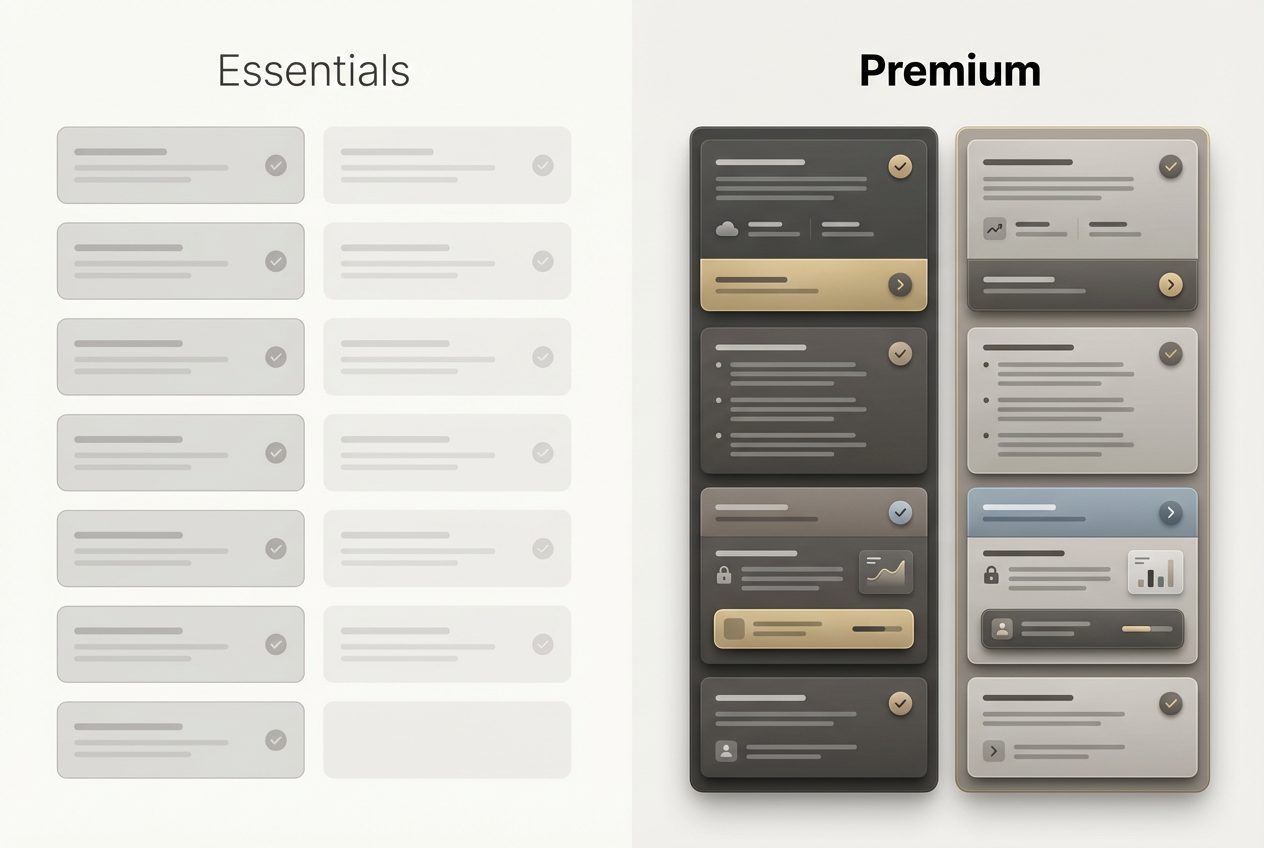
The essentials: what every planner website needs
These are not “premium” features. They are the baseline for being understood.
Scope of services
Full planning, partial planning, coordination. Not just labels, but what each actually means in practice.How you work
A simple overview of your process, from inquiry to wedding day.Planning phases or timeline
When you are most involved and what couples can expect at each stage.Expectations and boundaries
What you handle, what couples handle, and how decisions are made together.A clear next step
Not just “Contact Us,” but guidance on what happens after reaching out.
Note: These elements do not make a website fancy. They make it understandable.
The premium layer: what builds trust and fit
This is where planner websites stop being generic and start filtering for the right clients.
Planning philosophy or style
How you approach decision-making, organization, and problem-solving.Communication cadence
How often you check in, how couples reach you, and what response time looks like.Real-world scenarios
Not just testimonials, but examples of how you guide couples through challenges.Decision frameworks
How you help couples prioritize, compromise, and stay aligned.
Tip: This level of clarity does not overwhelm couples. It reassures them. It also discourages misaligned inquiries, which saves everyone time.
Why galleries and styled shoots are not enough
Beautiful imagery builds confidence, but it does not explain logistics. Couples cannot see:
How you manage timelines
How you coordinate vendors
How you navigate stress or change
Photos support trust. Process earns it. Without context, couples may love your work but still feel unsure about reaching out.

How clarity changes the inquiries you receive
When planner websites clearly explain how the professional works, the impact is noticeable:
Fewer vague “Are you available?” messages
More informed inquiries from couples who understand your role
Fewer pricing mismatches
Stronger alignment from the first conversation
Warning: If your website is unclear, couples fill in the gaps themselves. That usually means more hesitation, more back-and-forth, and more mismatched leads.
Final thought
Couples do not hire planners they do not understand.
Your website’s job is not just to look good. It is to help couples picture the planning experience before they ever send an inquiry.
When that picture is clear, the right couples reach out, and the entire relationship starts on stronger ground.
Tags
More planning help, minus the chaos
We share real wedding planning tips, tools, and inspiration on Instagram and Pinterest.